
Roofing Systems Built to Last Decades
Roof Installments in Palmdale for properties requiring full system replacement or new construction roofing
Roof Rite installs complete roofing systems across Palmdale and surrounding desert communities where thermal expansion, sustained UV exposure, and high winds place extreme demands on roofing materials. Whether you're building new construction or replacing a failed roof down to the decking, the installation process determines how well your roof handles the next twenty to thirty years of Southern California desert conditions. Every installation includes inspection of structural decking, ventilation pathways, and flashing integration points that frequently fail when shortcuts are taken during the original build.
The service handles both new installations on bare decking and complete tear-offs where old roofing materials are removed entirely before new systems go down. Roof Rite works with torchdown roofing for flat and low-slope applications, composition shingles for pitched residential roofs, silicone coating systems that reflect desert heat, standing seam metal roofing, and tile systems that provide thermal mass and impact resistance. Each material responds differently to Palmdale's temperature swings and the sustained summer heat that degrades adhesives and accelerates aging in lower-grade products.
Request a detailed installation estimate based on your roof structure, pitch, and exposure conditions.
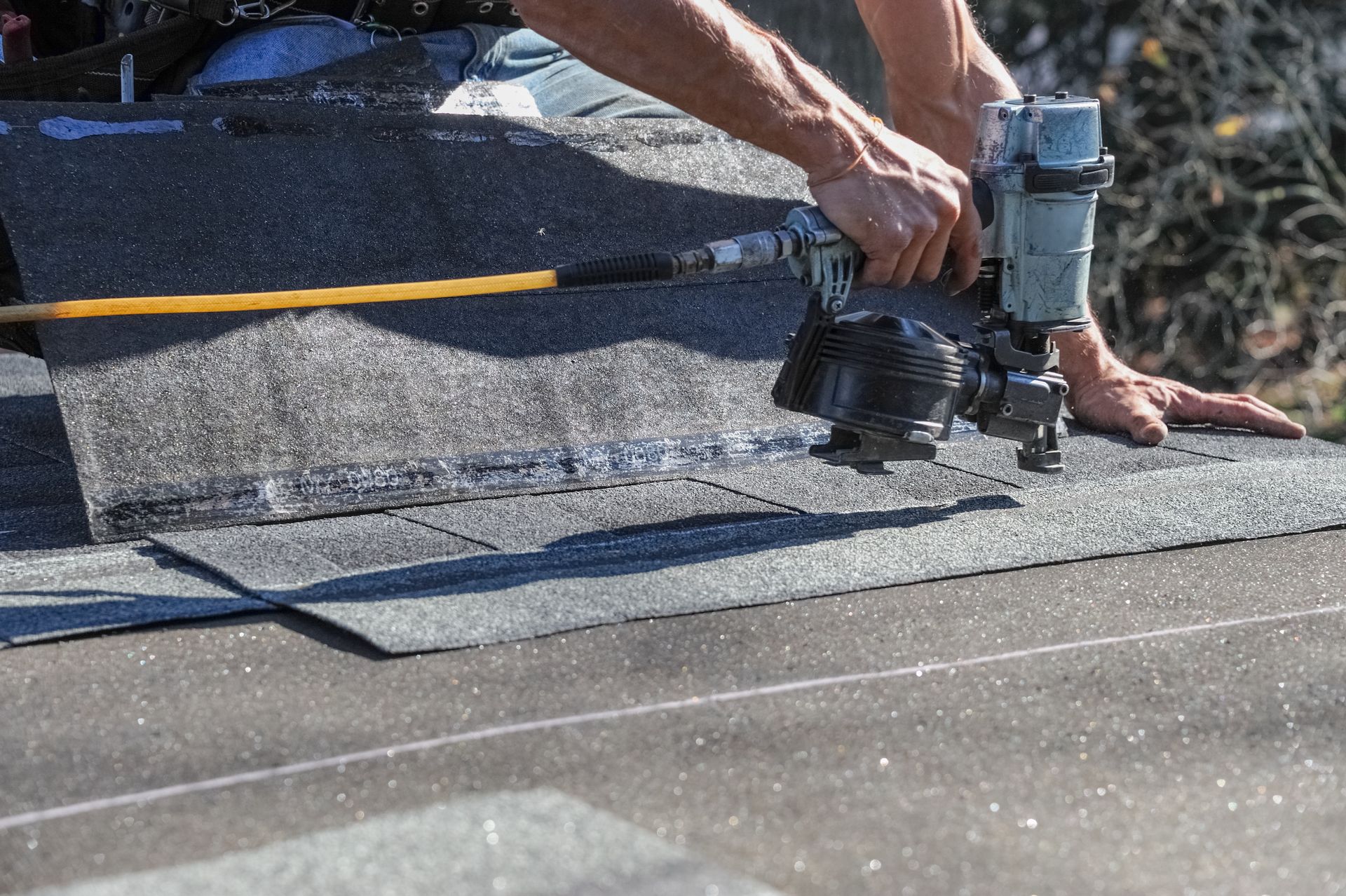
What Proper Installation Requires
Installation crews inspect the roof decking for water damage, structural integrity, and fastener pull-through before any new materials are applied. Ventilation pathways are evaluated to confirm adequate intake and exhaust flow, which directly affects attic temperatures and shingle lifespan in desert climates. Flashing is custom-fit around roof penetrations including plumbing vents, HVAC units, and skylights, and every transition point where the roof plane changes is sealed and reinforced to prevent water intrusion during rare but intense desert storms.
Once the new roofing system is installed, you'll notice immediate improvements in interior temperature stability as reflective coatings or properly ventilated systems reduce radiant heat transfer. Energy costs typically drop during summer months when attic temperatures no longer reach extreme levels that force air conditioning systems to run continuously. The roof surface sheds water effectively during storms, and wind-driven rain no longer finds entry points around poorly installed flashing or unsealed penetrations that were common in the old system.
Installation projects include removal and disposal of all tear-off debris, protection of landscaping and property during material loading, and final cleanup that leaves your property in better condition than before work began. The process does not include structural repairs to underlying framing or replacement of damaged roof trusses, which are identified during decking inspection and addressed separately if needed.
Questions Before Starting Your Roofing Project
Homeowners preparing for roof replacement often want to understand what the process involves and how material choices affect long-term performance in high-desert conditions.
What happens during the tear-off process?
Crews remove all existing roofing materials down to the wood or plywood decking, inspect the surface for damage, make necessary repairs, and then install new underlayment and roofing materials in sequence from eave to ridge.
How does Southern California heat affect roofing material selection?
Torchdown and silicone-coated systems reflect solar radiation more effectively than dark composition shingles, which can reach surface temperatures exceeding 160 degrees and age faster under sustained UV exposure common in Palmdale.
Why does flashing installation matter more than most homeowners realize?
Flashing creates watertight seals at every roof penetration and transition point, and improper installation causes ninety percent of leak calls within the first five years after a roof replacement.
When should roof ventilation be upgraded during installation?
If attic temperatures regularly exceed 140 degrees during summer or if existing intake and exhaust vents are undersized for the attic volume, ventilation upgrades are completed during the installation while decking is accessible.
What roofing materials hold up best against high winds and blowing debris?
Metal roofing and properly installed tile systems resist wind uplift and impact damage better than composition shingles, which can lift or tear during sustained winds exceeding forty miles per hour that sweep across open desert areas near Palmdale.
Roof Rite provides material recommendations based on your roof pitch, exposure, and budget after evaluating your property's specific conditions. Schedule a free consultation to review your roofing options and receive a detailed project estimate.